Disclaimer: I am not a doctor, or a physical therapist. This Post simply gives my personal opinion on some recovery techniques I implement in my own strength program. Additionally, this Post does not address injuries, but the general soreness and fatigue that comes from training hard and with intensity.
If you train and train the way you should, you will be sore. You even will feel some pain as you push yourself harder than you thought possible. Dave Tate recently spoke of this in his article "Under the Bar: How Strong is Your Pain". Dave stated that "Most of us will have we have a lot of pain to endure if we plan to reach our highest potential. The farther down the path you go, the more minor pain you find needs to be ignored. Throughout our journey we will be tested. As athletes, when we pulled our first muscle we felt it was the end of the world and were out of the sport for good. If our joints hurt we would run to the doctor because we “knew” it was major."
Here's the important part. Dave explained that "[t]he ones who figure out how to deal with the pain and keep moving forward are the ones who succeed. Let me rephrase that; the ones who know the difference between what is 'part of the game' and what is not are the ones who succeed. Simply put, they’re the ones who “ball up” move forward. The ones who bitch and complain that they can’t take the pain and look for excuses are the ones who stay put."
Now, while soreness and pain are part of the process, there are things you should be doing to minimize the pain and soreness, prevent injury, and expedite recovery so your ready for your next training session. Here are five techniques to recovery I implement in my own program:
1. SLEEP
It goes without saying that getting approximately 8 hours of sleep per night greatly aids your recovery. While you sleep your body releases growth hormone. The amount of growth hormone your body releases is largely dependent upon the quantity and quality of sleep. Growth hormone plays a large role in the repair and growth of muscle tissue. So, if you want to ensure adquate recovery, get an adeuqate night's rest.
Additionally, if you can, take a 20-30 minute nap each day. Getting 8 hours of sleep and a short nap each day will help ensure you have enough energy to push through even the hardest training session.
2. NUTRITION
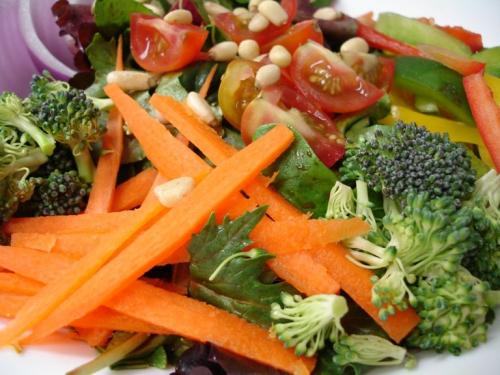
Proper nutrition provides your muscles the very thing they need to recover and grow. One of the most important macro-nutrients is protein. Simply put, our muscles use protein to rebuild and repair. I typically advise athletes and those who train hard to consume approximately .8 - 1 gram of protein per pound that the individual weighs. Typically, I recommend women take .6 - .8 grams per pound.
Another important macronutrient is carbohydrates. Carbs not only supply energy to the body, but they also help put the body into an "anabolic state" (i.e., muscle growing/building state). Carbs are converted into glucose. The rise in blood sugar subsequently results in the release of the anabolic hormone insulin. Insulin assists the body in the transfer of nutrients to the muscles needed for growth and repair. Obviously, most of your carbs should come from such sources as oats, brown rice, and whole wheat bread.
Additional nutritional principles for recovery include eating often (tpyically 5-6 times per day), with your protein intake spread throughout the day. Never skip breakfast. You can take supplements such as a multi-vitmain, fish oil, magnesium and zinc.
3. SELF-MYOFASCIAL RELEASE
Self-Myofascial Release (SMR) is a technique one can use to help relax tense and sore muscles, decrease scar tissue, and improve mobility. One of the most common SMR tools is the foam roller (see picture above). The foam roller is nice because you can basically work every muscle group in your body. The position of the SMR tool and the duration of its use is largely dependent upon the targeted muscle group, the soreness of the muscle, and the condition/quality of the muscle. A great guide to foam folling is this video from Joe Hashey.
4. Rest
It goes without saying that you should schedule some days off. Currently, I do not lift weights on Wednesdays, Saturdays and Sundays. I use those days to rest and recover. Now, that does not mean I do no physical activity. I just refrain from lifting weights. On those days I perform intervals and mobility work.
Additionally, I never train the same muscle groups two days in a row. That gives my muscles enough time to recover before hitting them hard in the next session. Finally, I believe that you need to be willing to modify your program on a day-to-day basis. Some days I go into the gym just not feeling it. I'm either worn out or stressed out. I have no guilt on those days shortening my training or changing my routine (e.g., not going as heavy). This is no excuse to be lazy, but listen to your body. When it says rest, rest.
5. MISC TECHNIQUES
Additional techniques to help you recover and ease soreness include contrast showers, ice baths, massages, stretching, taking anti-inflammatory medicine, and ice and compression wraps. I have used all of these techniques with great success.
Now, GO TRAIN!!
Showing posts with label recovery. Show all posts
Thursday, September 8, 2011
5 Recovery Techniques
Labels:
foam roller,
nutrition,
recovery,
rest,
self-myofascial release,
sleep,
smr
Friday, March 13, 2009
Recovery & Restoration
I train hard. Because I train hard, I need to make sure I spend time recovering and restoring from my workouts. If you do not give your body time to recovery, and perform certain restorative methods, then you will not see the gains you desire and you will likely get hurt.
I ran across this article. I posted the full article below. It is by Joe Hashey of Synergy Athletics (http://synergy-athletics.com/). I recommend you read it. Enjoy.
5 Best Recovery and Restoration Methods
March 12, 2009 on 10:19 am | In Articles, Strength Training |
Here are the top 5 recovery methods that I recommend to my athletes. You MUST train hard, and recovery hard! Keep in mind, these are mostly high school and college age athletes that are often at the mercy of their school schedule. I also am not in the business of recommending any supplements to younger athletes. Here are some healthy ways to recover your body and restore your muscles!
Food. Its simple, when they are done working out, they have to eat a protein source. Muscles are made out of proteins, without consuming any quickly (in the first 45 min after a workout, the earlier the better) muscles won’t grow. Its like trying to build a log cabin without wood, just doesn’t make any sense. The body needs protein to build muscles. On top of that, eating quality meals with a protein source, carbohydrate, and additional vegetable will help your body feel better after training. Ever eat fast food after a hard lifting session? Your muscles will be feeling it the next day. I’ve done it with pizza, not pleasant. You’ve already done the hard wok in the gym, don’t sabotage yourself in the kitchen.
Self-Myofascial Release and Active Release Techniques (ART). This includes foam rolling which I have posted about extensively (Foam Rolling), using a lax ball, theracane, the stick, or any other massage tool. When a muscle stretches, near the point of injury, the Golgi tendon organ (GTO) tells the muscle spindles to relax. Foam rolling stimulates both the muscle and works the GTO so the athlete can work in a more complete range of motion without the muscles shutting down. Also, ART techniques have are helpful in fixing soft tissue adhesion and dissipate scar tissue buildup. Foam rollers cost around $10-20 and a lax ball is around $1. I came across a good article by Eric Cressey and Mike Robertson that explains foam rolling more in depth - Feel Better for $10.
Contrasting. The first few times a person uses contrast showers it may be uncomfortable, but still invigorating! I recall when John, new trainer here are Synergy Athletics, was getting ready for the NFL combines. He had his full day scheduled, including his time in the shower! There are different time sequences used, but I prefer 1 minute as cold as I can stand, followed by 2 minutes of as warm as possible. Also, you can isolate the contrasting to a body part, such as the hands. Use two buckets, one with hot water, and one with icy cold water. Perform the same contrasting and you will feel great! Contrasting relaxes AND excites the muscles, moves blood through, and shortens the restoration time.
Warm-Up, Stretch, and Relax. Stretching has been a hot topic in the training world lately. Stretching post workout and on rest days will help recovery. First, during a workout, muscles contract and shorten. Stretching them after the workout insures the muscles range of motion and length. Pre Workout you should be using (with a couple exceptions) a dynamic routine. For recovery, I recommend increasing the body’s core temperature with some light exercises such as jogging or jumping jacks, then performing a static stretching routine. I also snuck relaxing in here. I have some kids that want to stay up on their video games until 1 in the morning, then wake up at 6:30 to go to school. That’s not how it works! You must relax and get your sleep.
Hydrate. Drinking water is crucial, but I don’t use strict guidelines such as “drink 8 oz every 13 1/6 minutes.” I just tell the athletes to drink, bring water with them when they train, and keep a water bottle during the day. There are many recovery drinks out there, but to keep my demographic in mind, water is the most practical. Drinking on your rest days will help push toxins out and keep the muscles loose.
If you implement these recovery and restoration methods, you will feel better, and most importantly, you can train HARDER. We like to “train hard and recover hard.” I originally wrote a longer post, but it wasn’t saved! So, if you have any questions or additional thoughts, just post them in the comments!
- Joe Hashey, CSCS -
I ran across this article. I posted the full article below. It is by Joe Hashey of Synergy Athletics (http://synergy-athletics.com/). I recommend you read it. Enjoy.
5 Best Recovery and Restoration Methods
March 12, 2009 on 10:19 am | In Articles, Strength Training |
Here are the top 5 recovery methods that I recommend to my athletes. You MUST train hard, and recovery hard! Keep in mind, these are mostly high school and college age athletes that are often at the mercy of their school schedule. I also am not in the business of recommending any supplements to younger athletes. Here are some healthy ways to recover your body and restore your muscles!
Food. Its simple, when they are done working out, they have to eat a protein source. Muscles are made out of proteins, without consuming any quickly (in the first 45 min after a workout, the earlier the better) muscles won’t grow. Its like trying to build a log cabin without wood, just doesn’t make any sense. The body needs protein to build muscles. On top of that, eating quality meals with a protein source, carbohydrate, and additional vegetable will help your body feel better after training. Ever eat fast food after a hard lifting session? Your muscles will be feeling it the next day. I’ve done it with pizza, not pleasant. You’ve already done the hard wok in the gym, don’t sabotage yourself in the kitchen.
Self-Myofascial Release and Active Release Techniques (ART). This includes foam rolling which I have posted about extensively (Foam Rolling), using a lax ball, theracane, the stick, or any other massage tool. When a muscle stretches, near the point of injury, the Golgi tendon organ (GTO) tells the muscle spindles to relax. Foam rolling stimulates both the muscle and works the GTO so the athlete can work in a more complete range of motion without the muscles shutting down. Also, ART techniques have are helpful in fixing soft tissue adhesion and dissipate scar tissue buildup. Foam rollers cost around $10-20 and a lax ball is around $1. I came across a good article by Eric Cressey and Mike Robertson that explains foam rolling more in depth - Feel Better for $10.
Contrasting. The first few times a person uses contrast showers it may be uncomfortable, but still invigorating! I recall when John, new trainer here are Synergy Athletics, was getting ready for the NFL combines. He had his full day scheduled, including his time in the shower! There are different time sequences used, but I prefer 1 minute as cold as I can stand, followed by 2 minutes of as warm as possible. Also, you can isolate the contrasting to a body part, such as the hands. Use two buckets, one with hot water, and one with icy cold water. Perform the same contrasting and you will feel great! Contrasting relaxes AND excites the muscles, moves blood through, and shortens the restoration time.
Warm-Up, Stretch, and Relax. Stretching has been a hot topic in the training world lately. Stretching post workout and on rest days will help recovery. First, during a workout, muscles contract and shorten. Stretching them after the workout insures the muscles range of motion and length. Pre Workout you should be using (with a couple exceptions) a dynamic routine. For recovery, I recommend increasing the body’s core temperature with some light exercises such as jogging or jumping jacks, then performing a static stretching routine. I also snuck relaxing in here. I have some kids that want to stay up on their video games until 1 in the morning, then wake up at 6:30 to go to school. That’s not how it works! You must relax and get your sleep.
Hydrate. Drinking water is crucial, but I don’t use strict guidelines such as “drink 8 oz every 13 1/6 minutes.” I just tell the athletes to drink, bring water with them when they train, and keep a water bottle during the day. There are many recovery drinks out there, but to keep my demographic in mind, water is the most practical. Drinking on your rest days will help push toxins out and keep the muscles loose.
If you implement these recovery and restoration methods, you will feel better, and most importantly, you can train HARDER. We like to “train hard and recover hard.” I originally wrote a longer post, but it wasn’t saved! So, if you have any questions or additional thoughts, just post them in the comments!
- Joe Hashey, CSCS -
Labels:
ART,
contrasting,
foam roller,
food,
hydrate,
Joe Hashey,
lax ball,
recovery,
relax,
rest,
restoration,
stretch,
warm-up
Subscribe to:
Posts (Atom)


